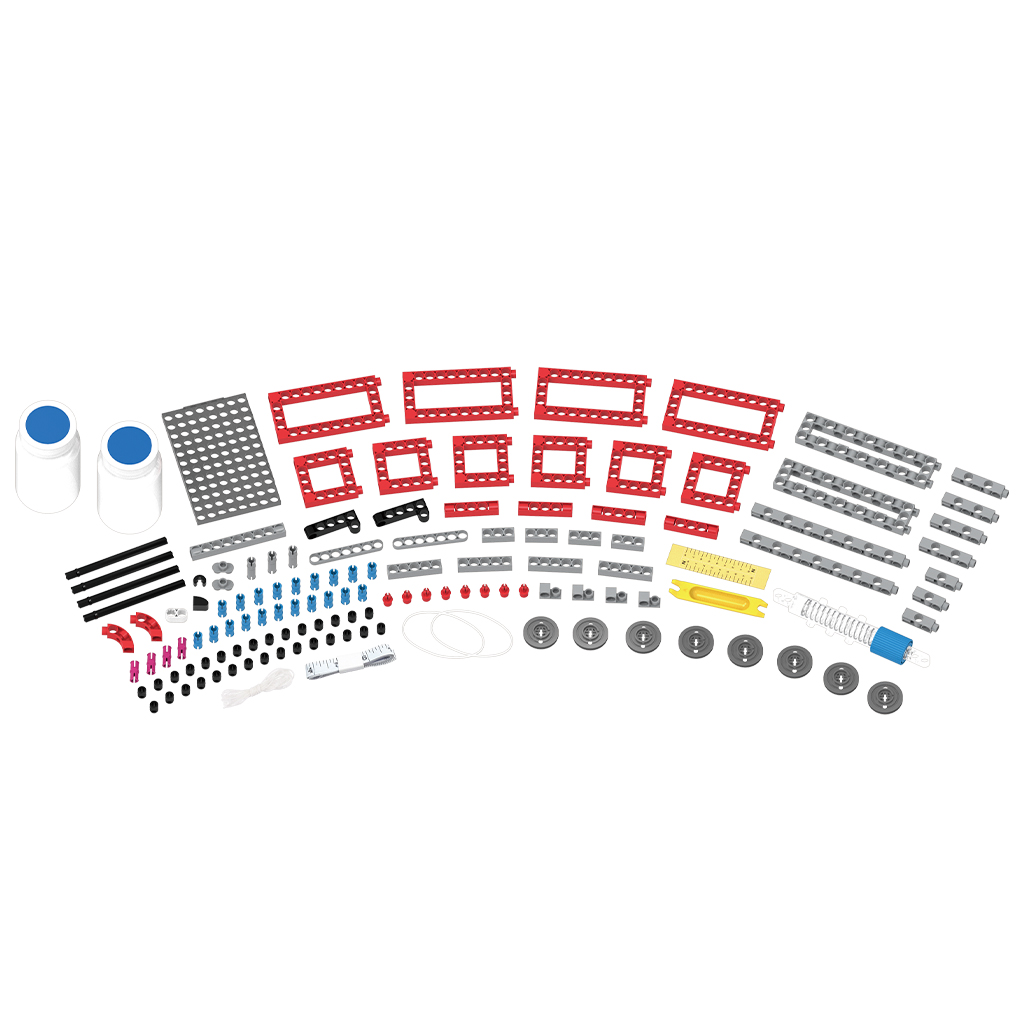
Description
Unlocking the Invisible Rules of our World: The Forces & Energy Experience
Physics is often perceived as a collection of abstract formulas and daunting equations. However, at its core, physics is the study of how our world moves, reacts, and sustains itself. To truly grasp these concepts, a student must move beyond the textbook and into the realm of tangible exploration. This is the philosophy behind the Forces & Energy Kit—a comprehensive tool designed to demystify the secrets of the physical world through the power of hands-on inquiry.
From Theory to Tangible Action
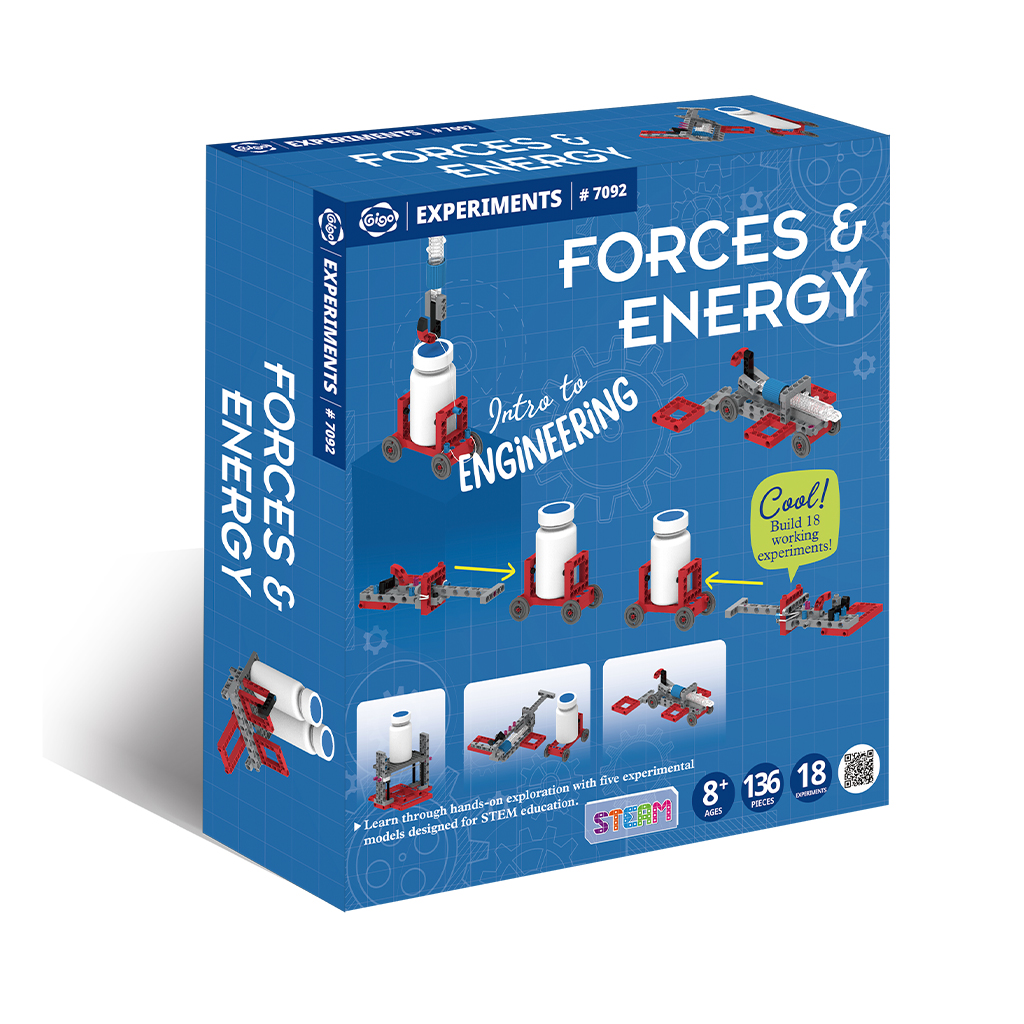
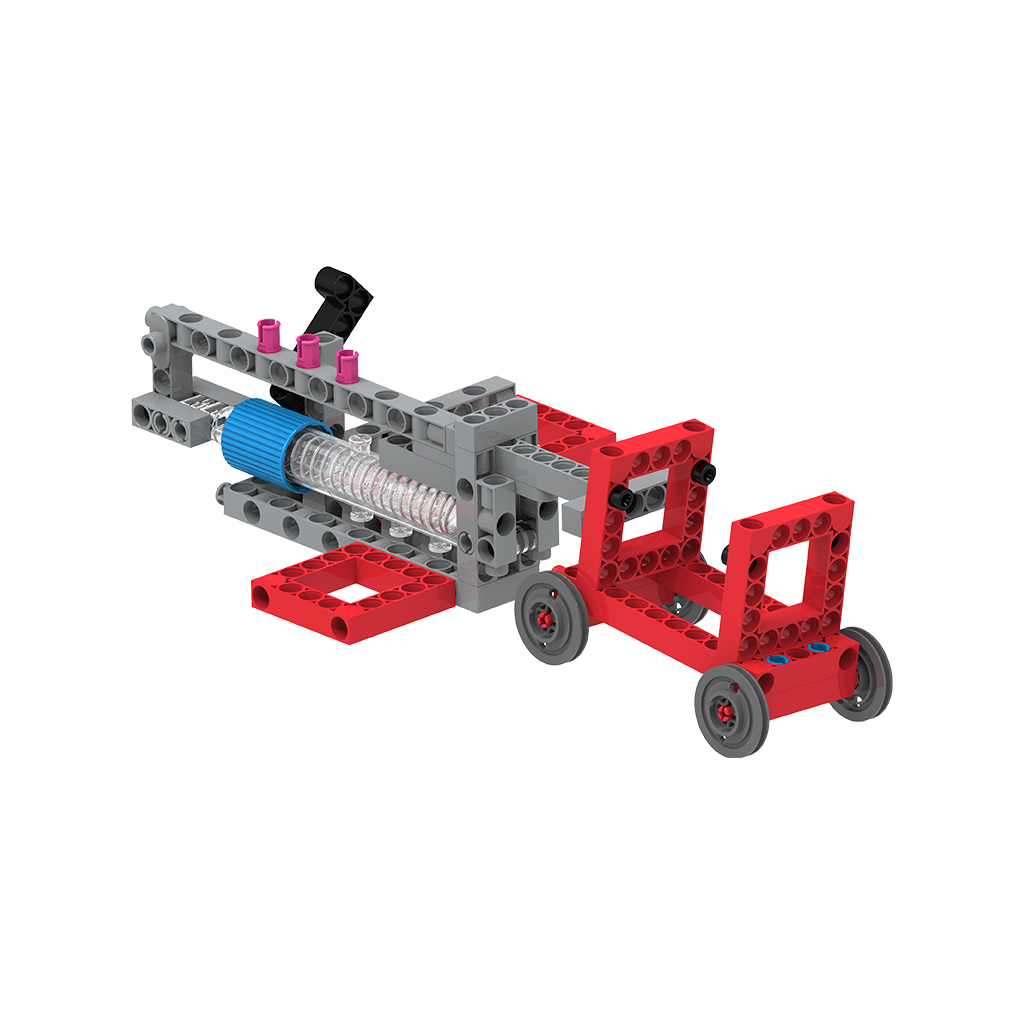
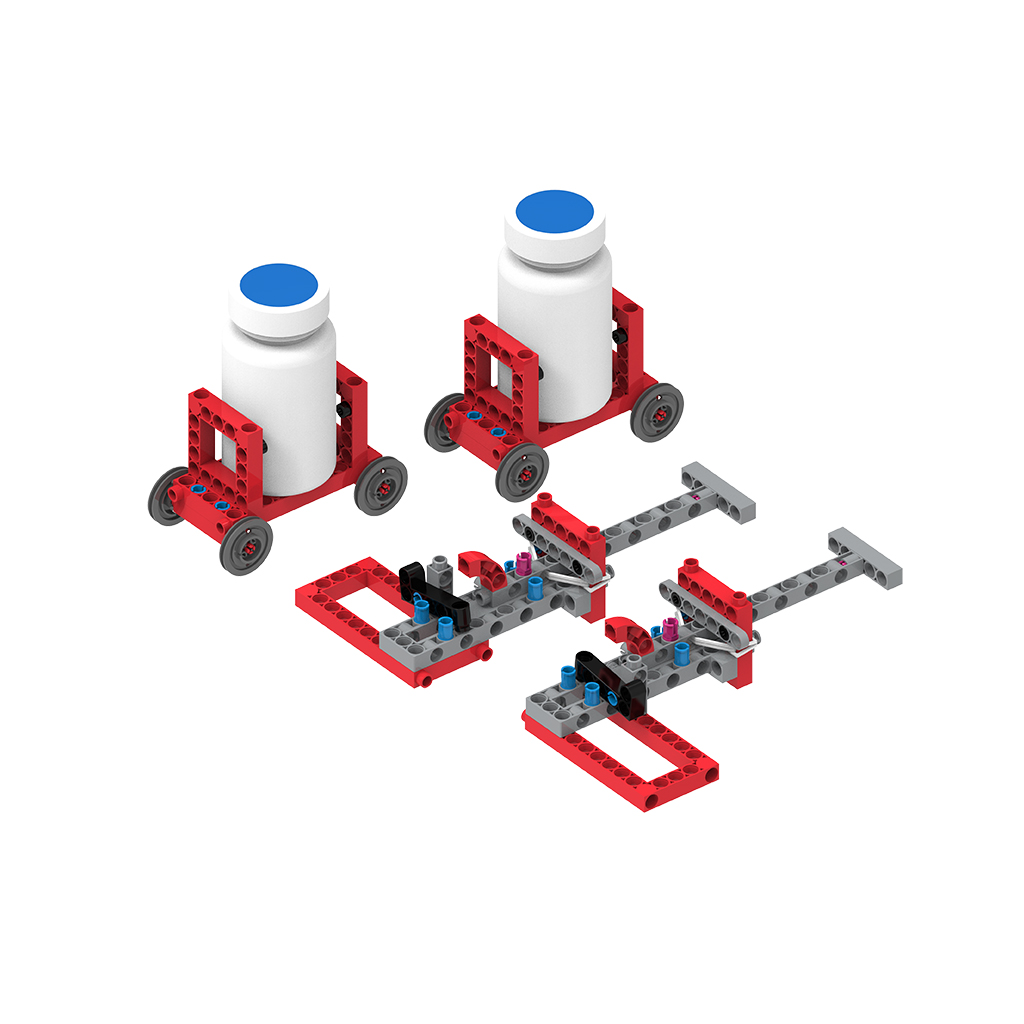
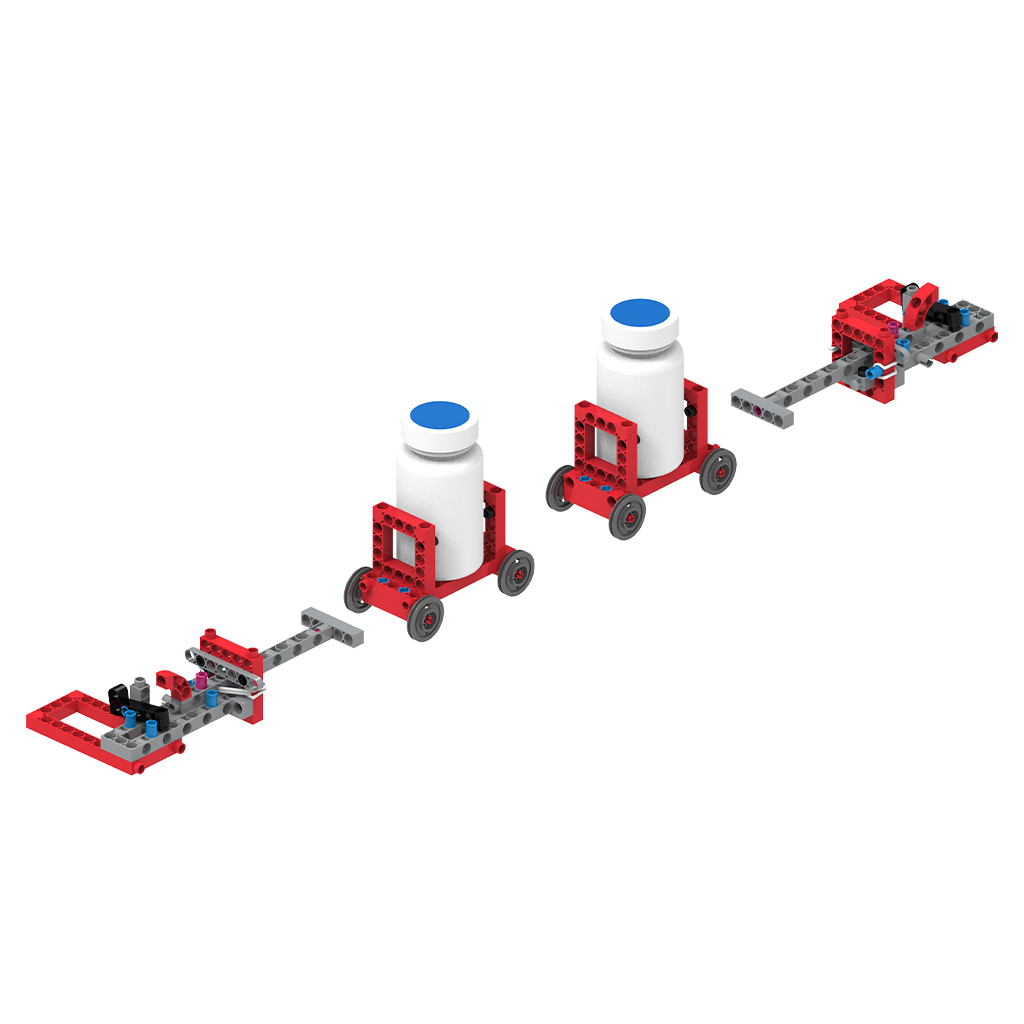
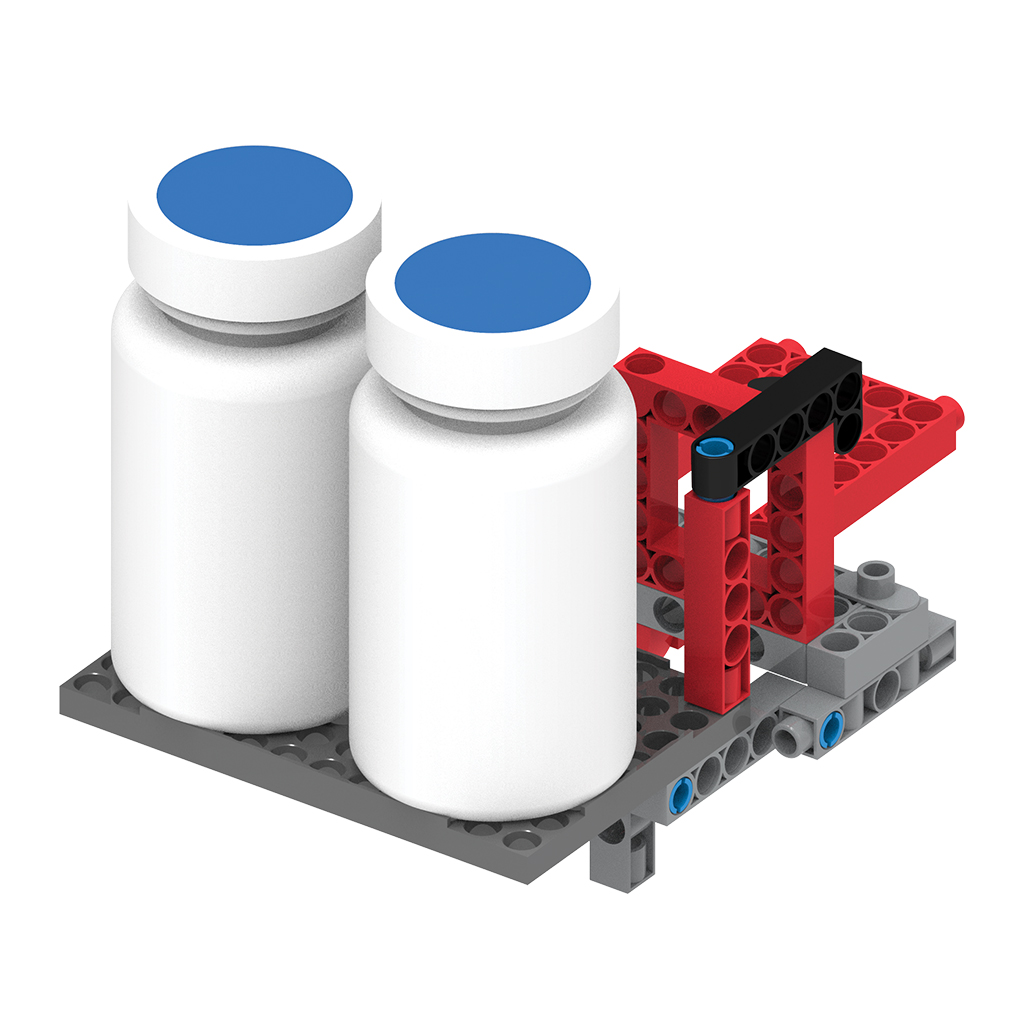
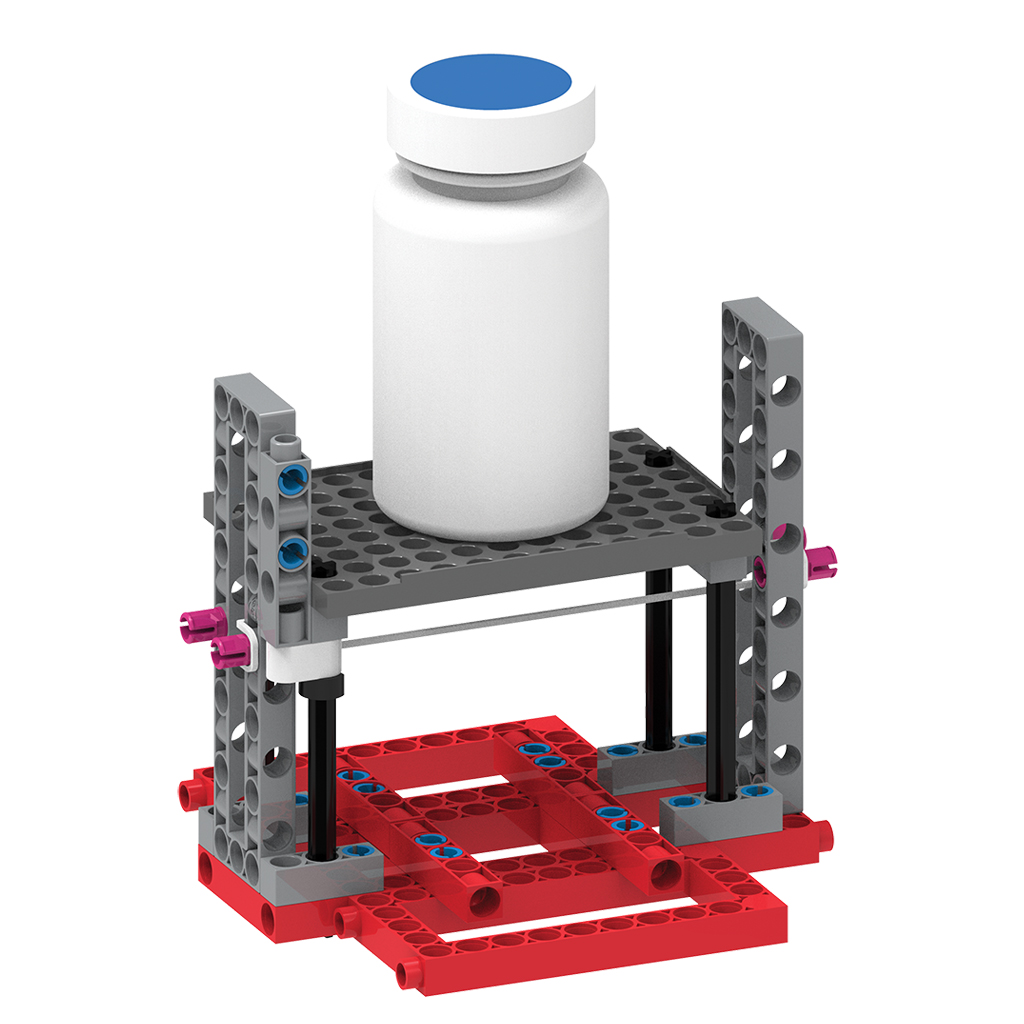
The Forces & Energy Kit serves as a bridge between theoretical knowledge and real-world application. Fully aligned with the Next Generation Science Standards (NGSS), it is meticulously structured to support key disciplinary core ideas. Whether in a classroom setting or at a home-schooling station, learners dive deep into essential scientific principles: Newton’s laws of motion, energy transformation, friction, and work. Through 22 sophisticated experiments, students don’t just read about physics—they visualize it. They can build a spring launcher to observe the consistent application of force, or assemble collision cars to witness the dynamic handoff between potential and kinetic energy. From recreating Galileo’s iconic Leaning Tower of Pisa experiment to using a precision force plate to measure impact, every activity is designed to ensure that the fundamental rules governing our universe become clear and unforgettable.
Cultivating the Scientific Mindset
The true value of this kit extends far beyond the models themselves; it lies in the development of a scientific mindset. We believe that young learners should act like real engineers. The kit encourages a systematic "trial-and-error" process—adjusting variables such as weight, speed, angle, and force to see exactly how they influence outcomes.
This interactive approach transforms students from passive observers into active participants. As they test hypotheses and analyze results, they build the critical thinking and problem-solving skills necessary for future scientific exploration. It is a journey of building confidence, one experiment at a time.
A System Designed for Exploration
Quality and clarity are at the heart of the Forces & Energy experience. The kit features a durable, modular construction system that allows models to be assembled and disassembled repeatedly. Students are never limited to the manual; the parts are designed to be reconfigured into any device their imagination can conceive.
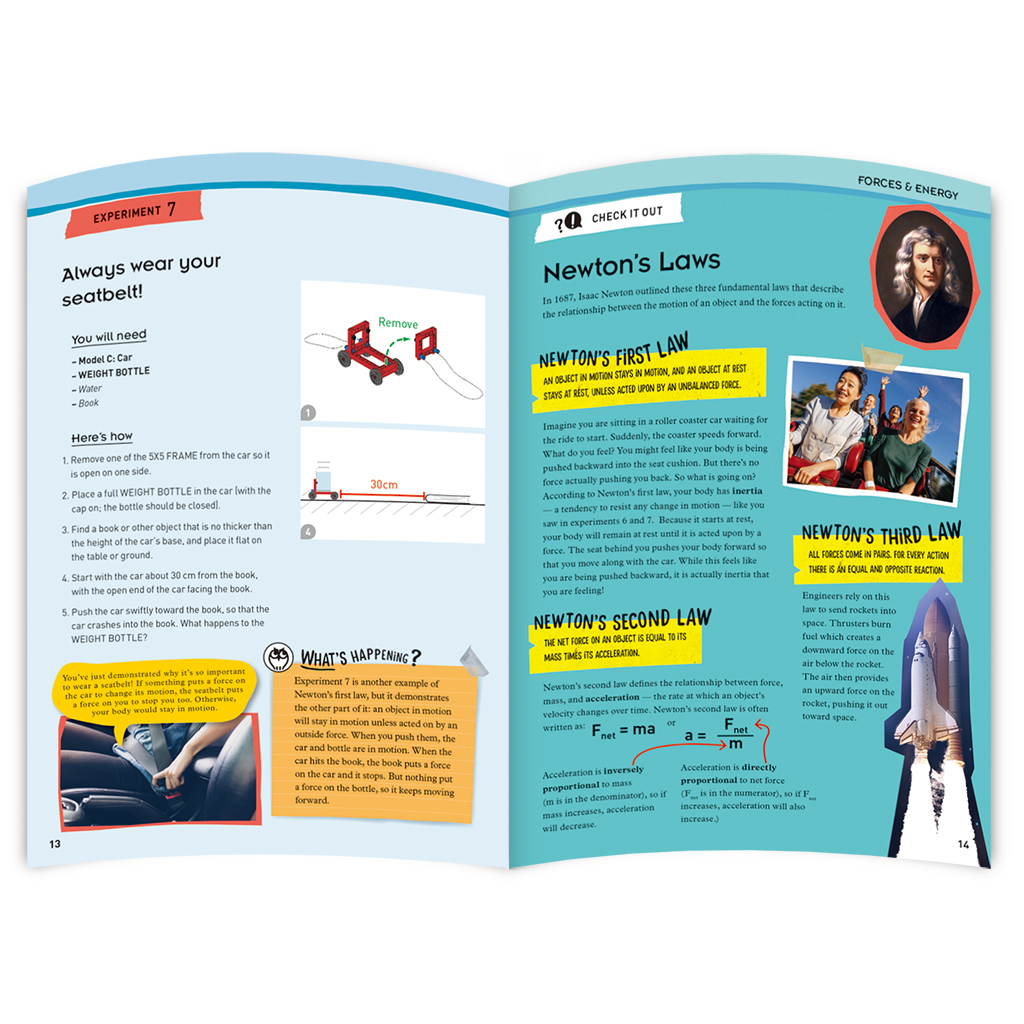
To guide this journey, a 36-page, full-color manual accompanies the kit. It doesn't just provide assembly instructions; it offers clear, real-life explanations for complex concepts like inertia, acceleration, and gravity.
Physics is all around us, hidden in every movement and every machine. With the Forces & Energy Kit, those hidden secrets are finally ready to be discovered. It’s time to start building, investigating, and experimenting.